
The EU's new import duty just made fresh work for agencies
The EU import duty on low-value parcels started July 1 and ended duty-free imports under €150. Here is which cross-border Shopify stores it hits and what to audit.
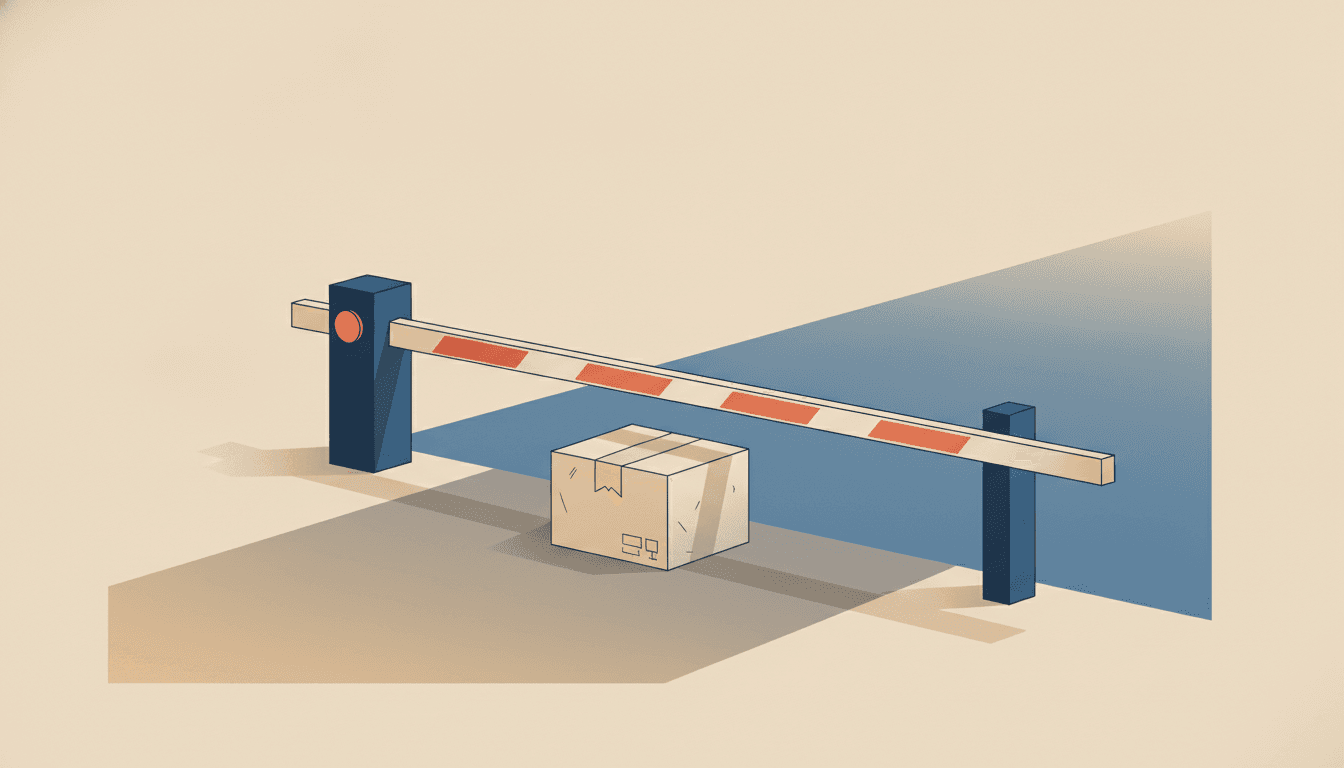
On July 1 the European Union started charging a flat import duty on low-value parcels and ended the rule that let goods under €150 enter duty-free. The EU import duty is small per parcel, but it lands on the exact kind of store an agency likes to sell to: a cross-border direct-to-consumer brand shipping a lot of low-priced items into Europe. If you run or advise one of those stores, this changes landed cost, checkout math, and the answer to who pays.
- The €150 duty-free threshold for imports into the EU is gone as of July 1.
- The duty is a flat €3 per tariff line, so a mixed cart can be charged more than once.
- It lands on the exact categories the EU named: clothing, electronics, and toys.
- We index 7M+ stores and monitor 60,000+ closely, so a cross-border merchant list is a filter away.
What actually changed on July 1
Until this month, a parcel worth less than €150 could enter the EU without a customs duty. That exemption is what made a lot of low-cost cross-border catalogs work: ship a €20 order from outside the bloc, and the buyer paid no duty on arrival. The European Commission confirmed the change as a fairness measure, since EU-based sellers never had that relief.
Two details matter for anyone touching checkout. First, the duty is flat, a €3 charge that runs as a temporary measure until 2028, when normal category-based duties take over. Second, and this is the part that catches people, it applies per tariff line, not per parcel. A cart with three shirts is one line and one charge. A cart with three shirts and a watch is two lines and two charges. So a store that bundles across categories can hand the buyer a duty bill that grows with the order, right at the moment of purchase.
That is a conversion problem dressed up as a tax problem. A surprise fee at checkout is one of the oldest reasons a cart gets abandoned, and this one arrives with no warning unless the store chose to show it.
Who this hits, and it is not a niche
The reason this is worth an agency's attention is scale. The categories the EU singled out, clothing and electronics and toys, are not fringe.
The median store in each of those categories sits around $50k/mo in revenue, so these are real businesses with real order volume, not hobby shops that can shrug off a checkout change.
One honest caveat. Our Shopify store statistics tell us how big these categories are and what the stores install, not which specific stores ship into the EU. So this is a filter, not a verdict: the change matters for the subset of these hundreds of thousands of stores that sell cross-border into Europe. That subset is exactly who you want to find first, because they are the ones with a fresh, dated problem and a deadline that already passed.
The audit this opens
Here is the useful part. This is concrete, checkable work an agency can lead this week, and most merchants have not looked yet.
Start with exposure. For each client or prospect, ask whether they ship into the EU from outside it and whether their typical order sits under the old €150 line. If both are true, they are affected, and the question becomes how their checkout handles it.
Then check the handling. A store can absorb the duty, pass it to the buyer as a delivered-duty-paid charge shown up front, or leave it as a nasty surprise the carrier collects on delivery. The last option is the one that quietly kills repeat purchases, and it is the default a lot of stores are sitting in right now without knowing it.
Finally, look at the catalog structure. Because the charge is per tariff line, the way a store groups and bundles products now has a cost attached. A brand that pushes mixed-category bundles into the EU is multiplying the duty without meaning to. That is a specific, numeric conversation you can open with, and it is the opposite of a generic audit.
This fits a pattern we wrote about after the Summer '26 Editions: the platform and the regulators keep moving mechanics around, and the durable agency work is the judgment about what each move costs a specific store. A duty rule is just another version of that. The merchant sees a policy headline. You see a checkout audit with a client's name on it.
What to do this week
Pull your client and prospect list and split it two ways: stores that sell into the EU, and stores that do not. For the ones that do, the next call writes itself, because you are not pitching, you are pointing at a change that already happened and asking how their checkout is set up to handle it.
Finding the cross-border subset is the one step you should not do by eye. A free store check surfaces the checkout and shipping signals that flag an EU-facing store, and the product keeps a standing list of them for you.
Here is the broader point. Rules like this one reach merchants as a paragraph in a newsletter they skim and forget. They reach agencies as a to-do list, if the agency is watching. The stores that get help first are the ones whose agency read the change, ran the audit, and called before the abandoned carts showed up in the numbers. This one already went live. The only question is who calls first.
Building Vergio, monitoring millions of Shopify stores to show agencies which ones fit them and are showing fresh buying signals.
More about Vergio